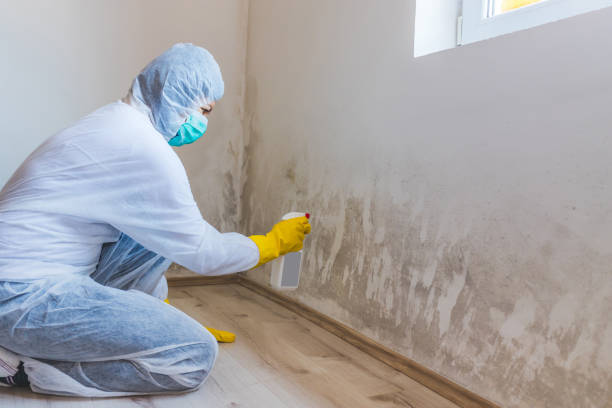
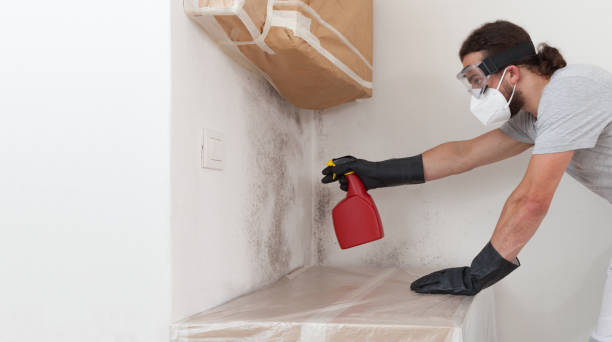
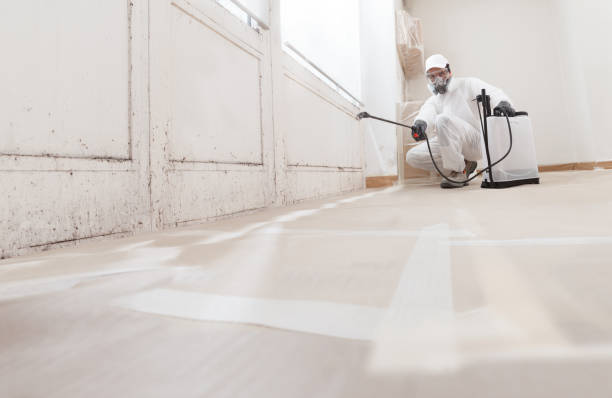
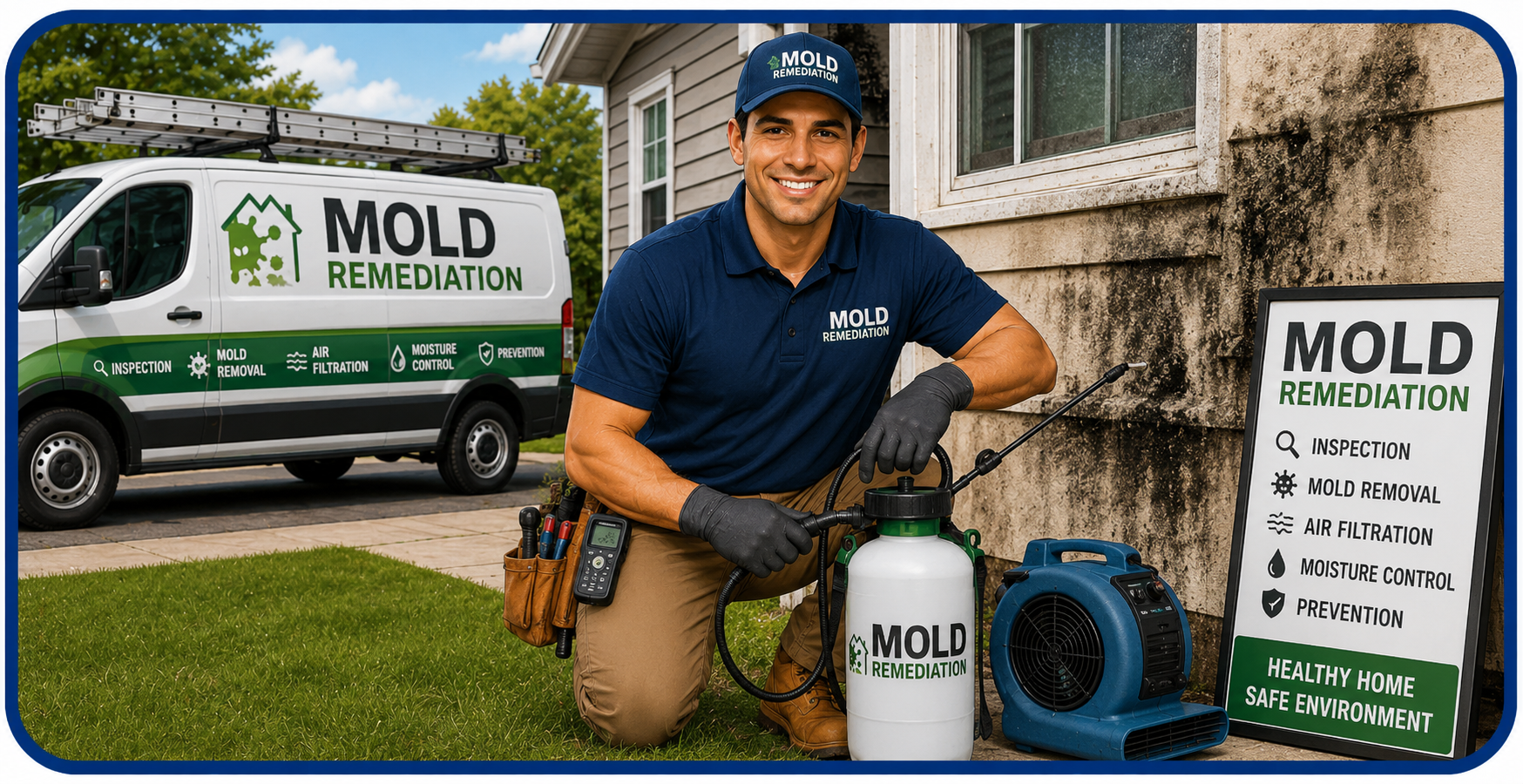
Stachybotrys requires a higher standard of response than common surface molds. Each service below reflects the specific requirements of confirmed or suspected Stachybotrys chartarum in a Long Lake, IL property.
Identification
🔍Species Confirmation via Lab Analysis
We confirm species via accredited lab analysis before applying the Type III protocol. Dark mold in your Long Lake, IL property isn't automatically Stachybotrys — but we find out before we scope and price the job.
Containment
🔥Type III Containment Establishment
Double poly, HEPA negative air, smoke-pencil verified, decon mat at entry. Established and verified before the first cut into contaminated material.
Removal
🔨Complete Contaminated Material Removal
All Stachybotrys-contaminated porous materials — drywall, insulation, carpet, ceiling tile, wood materials with surface penetration — are removed completely, double-bagged in heavy-duty poly, and disposed of through documented waste channels. No partial removal, no material left in place and treated in situ.
Treatment
💧Structural Surface Treatment & Encapsulation
HEPA vacuum, EPA fungicide, encapsulant — all remaining structural surfaces after material removal. Chemical treatment plus physical barrier as the standard, not the upgrade.
Drying
💨Moisture Source Identification & Correction
Stachybotrys presence is evidence of a chronic moisture source. We identify it, document it, and provide the specific correction required. Removal without source correction is temporary.
Clearance
✅IH-Supervised Post-Removal Clearance
Independent IH, not the remediation contractor, collects and interprets post-clearance samples. Written IH clearance report confirms the Stachybotrys removal achieved its objective.